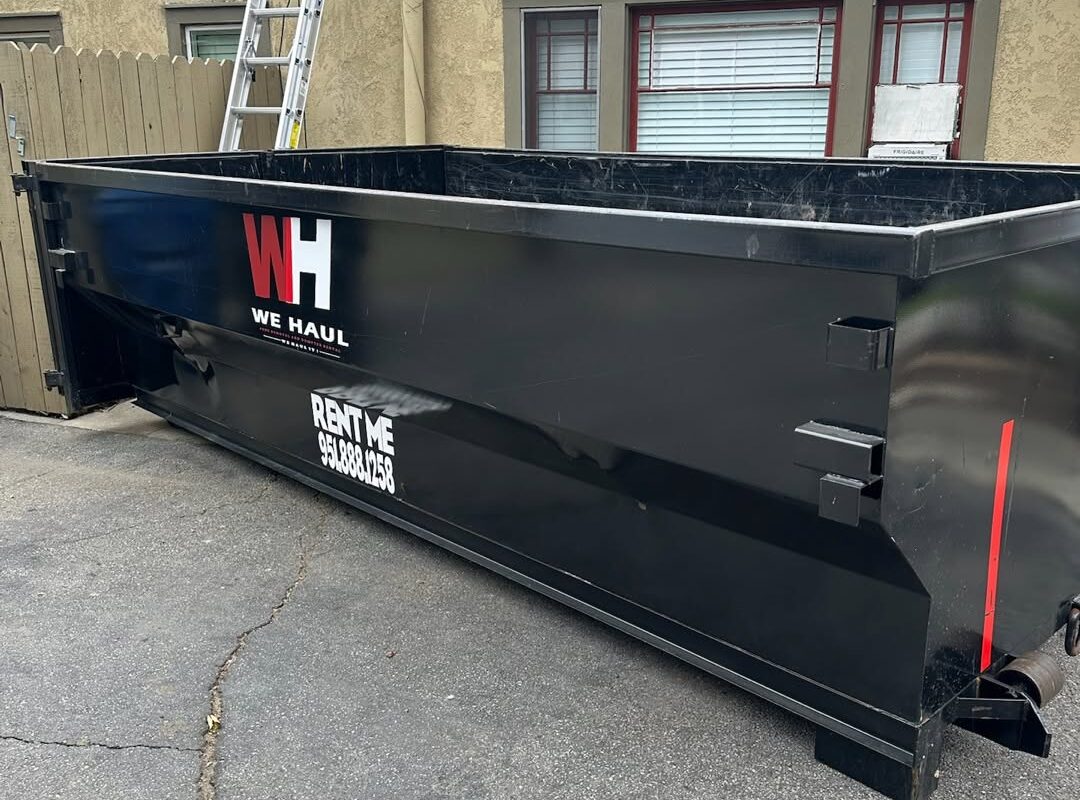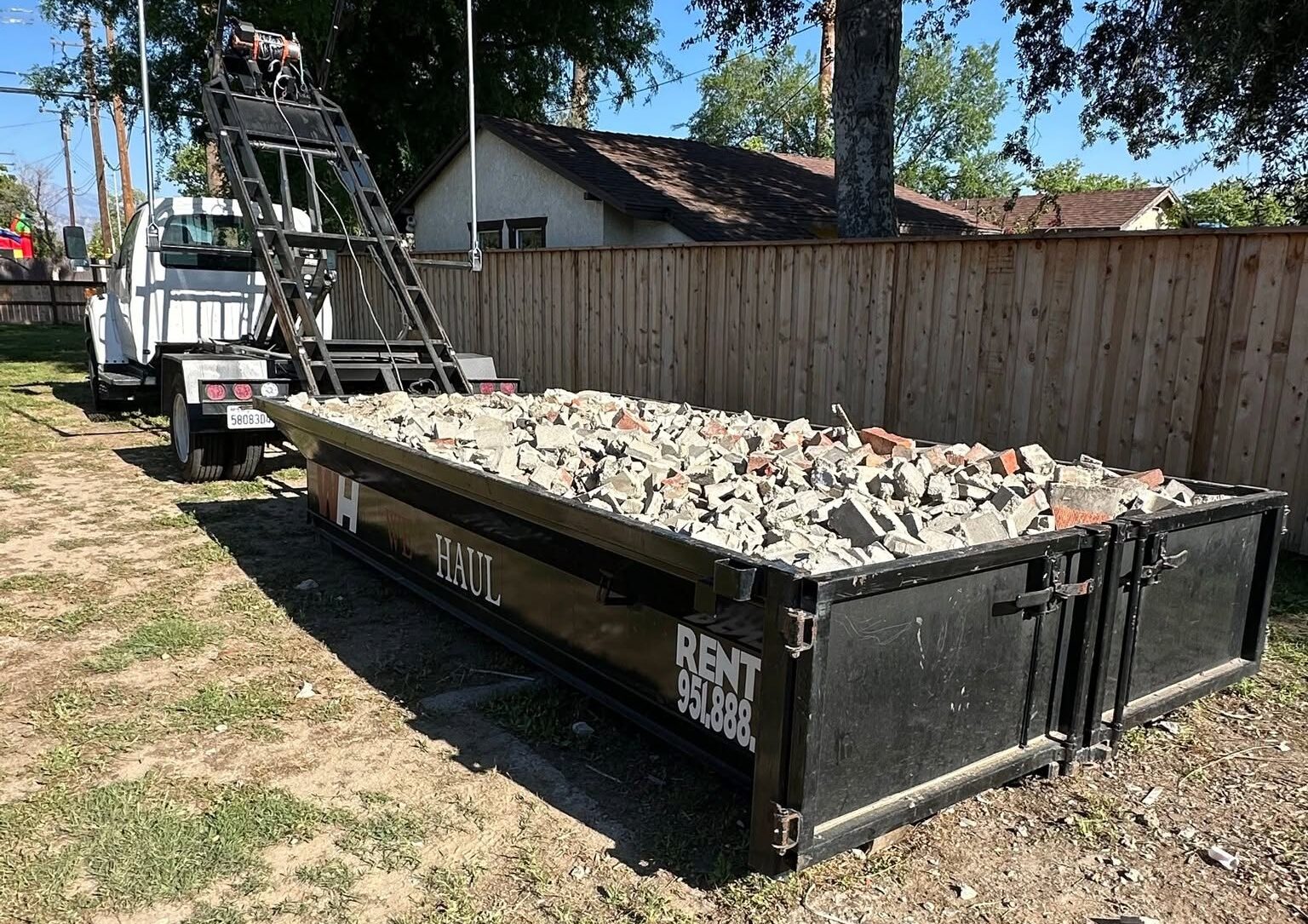
Renovation projects can transform a home or commercial property, but they can also create a large amount of debris. From old drywall and flooring to cabinets, roofing materials, wood, and other construction waste, keeping the job site clean can quickly become a challenge. Renovation debris removal provides a practical way to manage this waste while keeping your project organized.
With the right dumpster, you can have a convenient place to collect debris throughout the renovation instead of making repeated trips to a disposal facility. WeHaul Dumpster Rentals provides dumpster rental options for homeowners, contractors, property managers, and businesses handling renovation and remodeling projects.
What Is Renovation Debris Removal?
Renovation debris removal is the process of collecting, organizing, and disposing of waste generated during a remodeling or improvement project.
Common renovation debris may include:
- Old drywall and sheetrock
- Wood and lumber
- Flooring materials
- Cabinets and countertops
- Roofing materials
- Broken fixtures
- Doors and trim
- Packaging materials
- Non-hazardous household items
- General construction debris
The specific materials accepted can depend on the dumpster type and disposal requirements, so it is important to confirm accepted materials before loading your container.
Why Use a Dumpster for Renovation Debris?
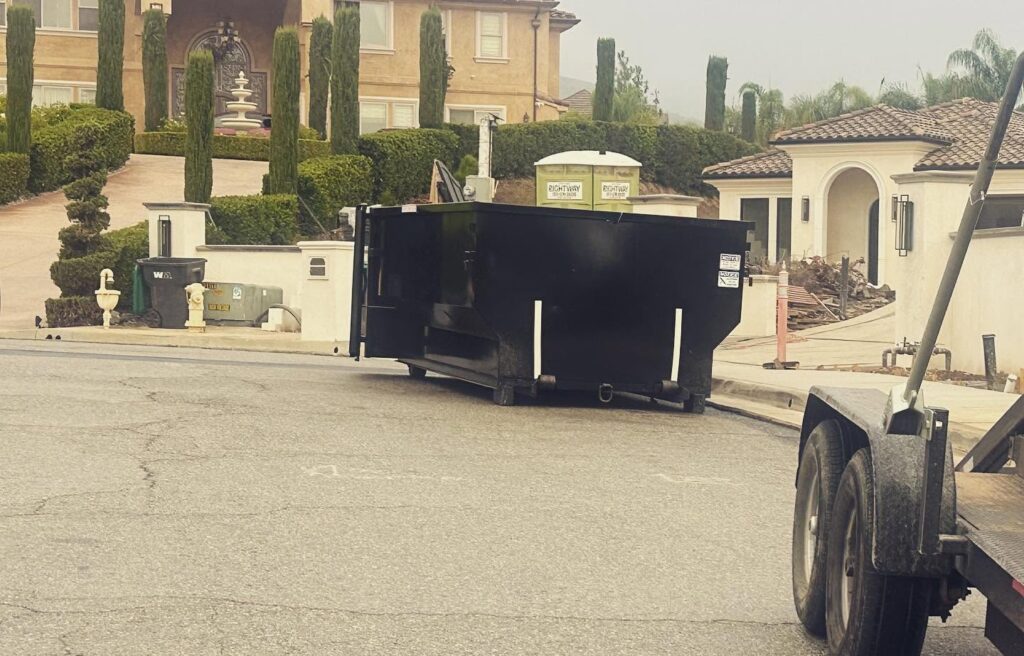
A renovation dumpster gives your project a designated location for waste. Instead of allowing debris to accumulate around the property, you can place materials directly into the container as work progresses.
Keep the Job Site Organized
Construction debris can quickly create clutter. A dumpster helps centralize waste in one location, making the work area easier to navigate.
Reduce Repeated Disposal Trips
Without a dumpster, renovation debris may require multiple trips to a transfer station or disposal facility. Having a container on-site can make waste management more convenient.
Improve Project Efficiency
When workers can quickly move debris into a designated container, cleanup becomes part of the renovation process rather than a separate task at the end.
Support Safer Cleanup
Loose boards, broken materials, nails, and other debris can create unnecessary hazards around a work area. Removing debris regularly can help maintain a cleaner environment.
Choosing the Right Dumpster Size
Selecting the appropriate dumpster size is one of the most important parts of planning renovation debris removal.
For smaller remodeling projects, a 15-yard dumpster may be suitable for moderate amounts of debris. Larger home renovations, major cleanouts, and construction projects may require a 20-yard dumpster.
If your project includes particularly heavy materials such as concrete, brick, asphalt, or dirt, ask about appropriate options and weight limitations before scheduling your rental.
The right size depends on factors such as:
- Project scope
- Amount of debris
- Type and weight of materials
- Available space
- Rental requirements
- Local disposal restrictions
When you’re unsure which option is appropriate, discussing the project with your dumpster rental provider can help you avoid ordering a container that is too small.
Renovation Projects That Can Benefit From Dumpster Rental
Kitchen Remodeling
Kitchen renovations can generate cabinets, countertops, flooring, drywall, appliances, and other unwanted materials. A dumpster provides a convenient location for collecting these items during demolition and installation.
Bathroom Remodeling
Bathroom renovations may involve removing tile, flooring, fixtures, drywall, vanities, and other materials. A properly sized dumpster can simplify the cleanup process.
Whole-Home Renovations
Larger renovation projects can produce debris over several days or weeks. Having a dumpster available throughout the project can help prevent waste from accumulating around the property.
Flooring Replacement
Removing carpet, tile, laminate, or other flooring materials can produce significant amounts of waste. A dumpster makes it easier to collect old materials as each room is completed.
Roofing Projects
Roof replacements generate shingles, underlayment, wood, and other materials. A dedicated dumpster can help contractors manage roofing debris efficiently. For larger roofing jobs, consider professional Roofing Dumpster Rentals from WeHaul Dumpster Rentals.
Commercial Renovations
Office buildings, retail spaces, warehouses, and other commercial properties can generate substantial amounts of construction debris. Commercial Dumpster Rentals can provide a practical waste-management solution for businesses completing renovation work.
How Renovation Debris Removal Works
The process can be straightforward:
1. Evaluate Your Project
Determine the type and estimated amount of debris your renovation will generate.
2. Choose a Dumpster
Select a container based on your project size, debris type, and available placement area.
3. Schedule Delivery
Arrange a convenient delivery date and make sure there is enough accessible space for the dumpster.
4. Load the Dumpster Properly
Place debris inside the container without exceeding the fill line or weight limits.
5. Schedule Removal
Once your project cleanup is complete, arrange for the dumpster to be picked up according to your rental agreement.
Top 5 Tips for Renovation Debris Removal
1. Estimate Your Debris Before Ordering
Consider how much material you expect to remove. Ordering based only on the size of the room may underestimate the amount of waste generated during demolition.
2. Separate Special Materials
Some materials may have different disposal requirements. Check with your rental provider before placing unusual, restricted, or potentially hazardous materials in the dumpster.
3. Plan the Dumpster Location
Choose a location that provides convenient access while maintaining clearance for vehicles, workers, driveways, and surrounding property.
4. Do Not Overfill the Container
Keep debris below the designated fill line. Overfilled containers can create transportation and safety problems and may not be eligible for pickup until properly corrected.
5. Schedule Removal Around Your Project
If possible, coordinate delivery and pickup with your renovation timeline so the container is available when you need it without unnecessarily occupying your property.
Renovation Debris Removal for Property Managers
Property managers frequently coordinate renovations between tenants, repairs, unit turnovers, and property improvements. Efficient waste management can make these projects easier to coordinate.
For larger property-related cleanups, Property Management Dumpster Services can help provide a dedicated solution for renovation and maintenance debris.
For properties requiring extensive cleanouts following ownership changes or foreclosure situations, Estate and Foreclosure Cleanouts may also be useful.
Renovation Waste Removal vs. Junk Removal
Although the terms can sound similar, renovation debris removal and junk removal are not always the same.
Renovation debris removal generally focuses on waste generated from construction, remodeling, demolition, repairs, or property improvements.
Junk removal typically involves removing unwanted household or commercial items, often using a labor-based service.
A dumpster rental can be especially convenient when you are doing the cleanup yourself and need a container available throughout the project.
For additional guidance, check out these Dumpster Rental Tips from WeHaul Dumpster Rentals.
Why Choose WeHaul Dumpster Rentals?
Choosing a dumpster rental provider with a straightforward process can make renovation cleanup easier to manage.
WeHaul Dumpster Rentals serves homeowners, contractors, property managers, and businesses with dumpster rental solutions for a variety of cleanup and renovation projects.
Whether you’re remodeling one room or managing a larger construction project, having a dedicated waste container can help keep debris contained and your project moving efficiently.
Service Areas
WeHaul Dumpster Rentals serves customers throughout the Inland Empire, including areas such as:
Availability and service options can vary by location and project requirements.
Book Now
Planning a remodeling or construction project? WeHaul Dumpster Rentals can help you find a practical dumpster solution for your renovation debris removal needs.
Choose the appropriate dumpster size, prepare your delivery location, and keep your renovation waste contained from the beginning of the project.
Book your dumpster with WeHaul Dumpster Rentals today and make renovation cleanup easier to manage.
Top 5 FAQs About Renovation Debris Removal
1. What can I put in a renovation dumpster?
Common renovation debris may include drywall, wood, flooring, cabinets, roofing materials, fixtures, and other non-hazardous construction waste. Accepted materials vary, so confirm before loading the dumpster.
2. What size dumpster do I need for a renovation?
The appropriate size depends on the scope of your renovation and the amount and type of debris. A 15-yard container may work for moderate projects, while larger renovations may require a 20-yard option.
3. Can I put concrete in a renovation dumpster?
Concrete is significantly heavier than many other renovation materials. Specialized size, weight, and disposal requirements may apply, so confirm the requirements before placing concrete in a dumpster.
4. Can a dumpster be used for a kitchen remodel?
Yes. Kitchen remodeling can generate cabinets, flooring, countertops, drywall, fixtures, and other debris that may be suitable for dumpster disposal, depending on the rental requirements.
5. How do I prepare for renovation debris removal?
Estimate the amount of debris, determine which materials need disposal, select an appropriate dumpster size, prepare an accessible placement area, and confirm any restricted materials before delivery.