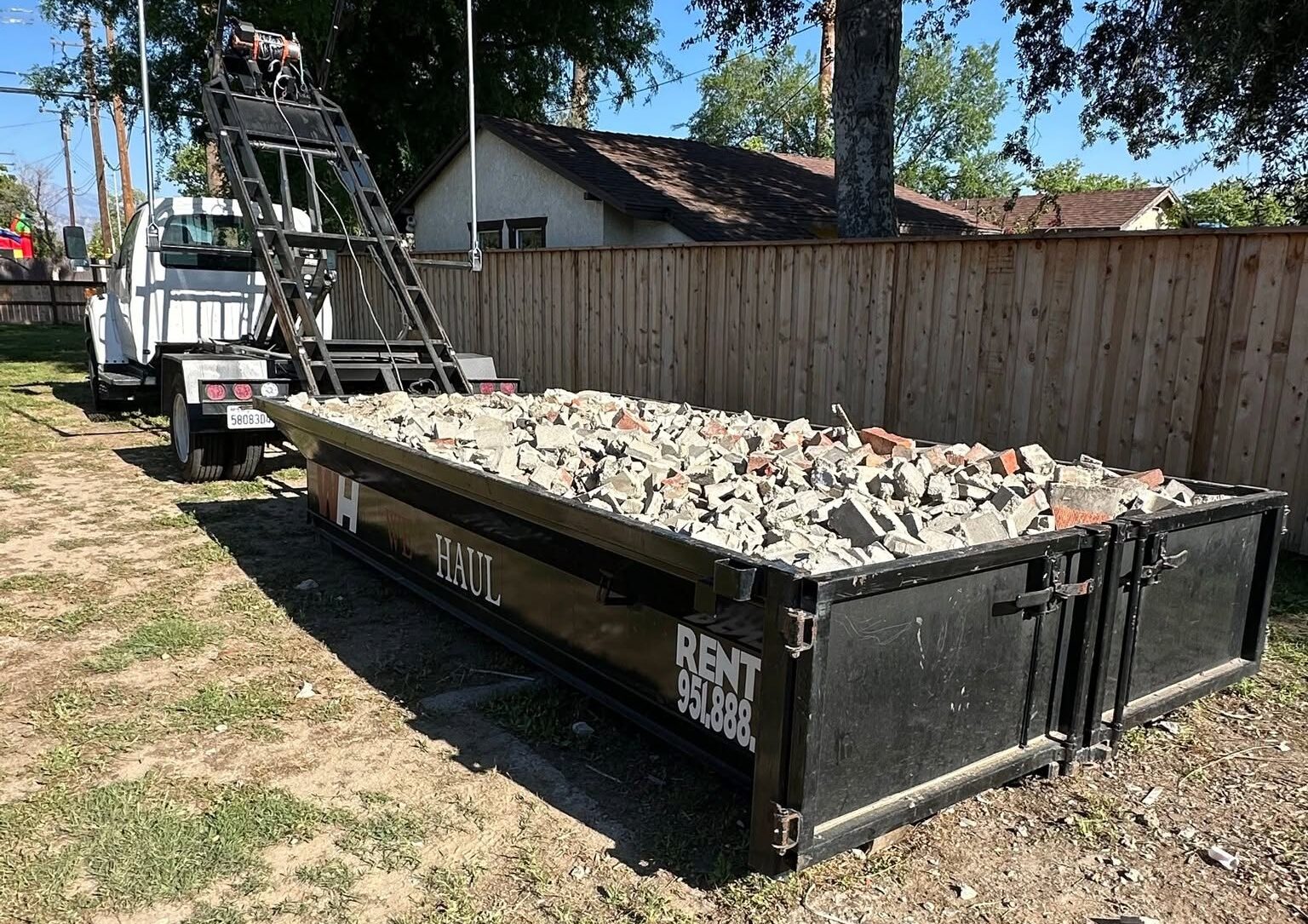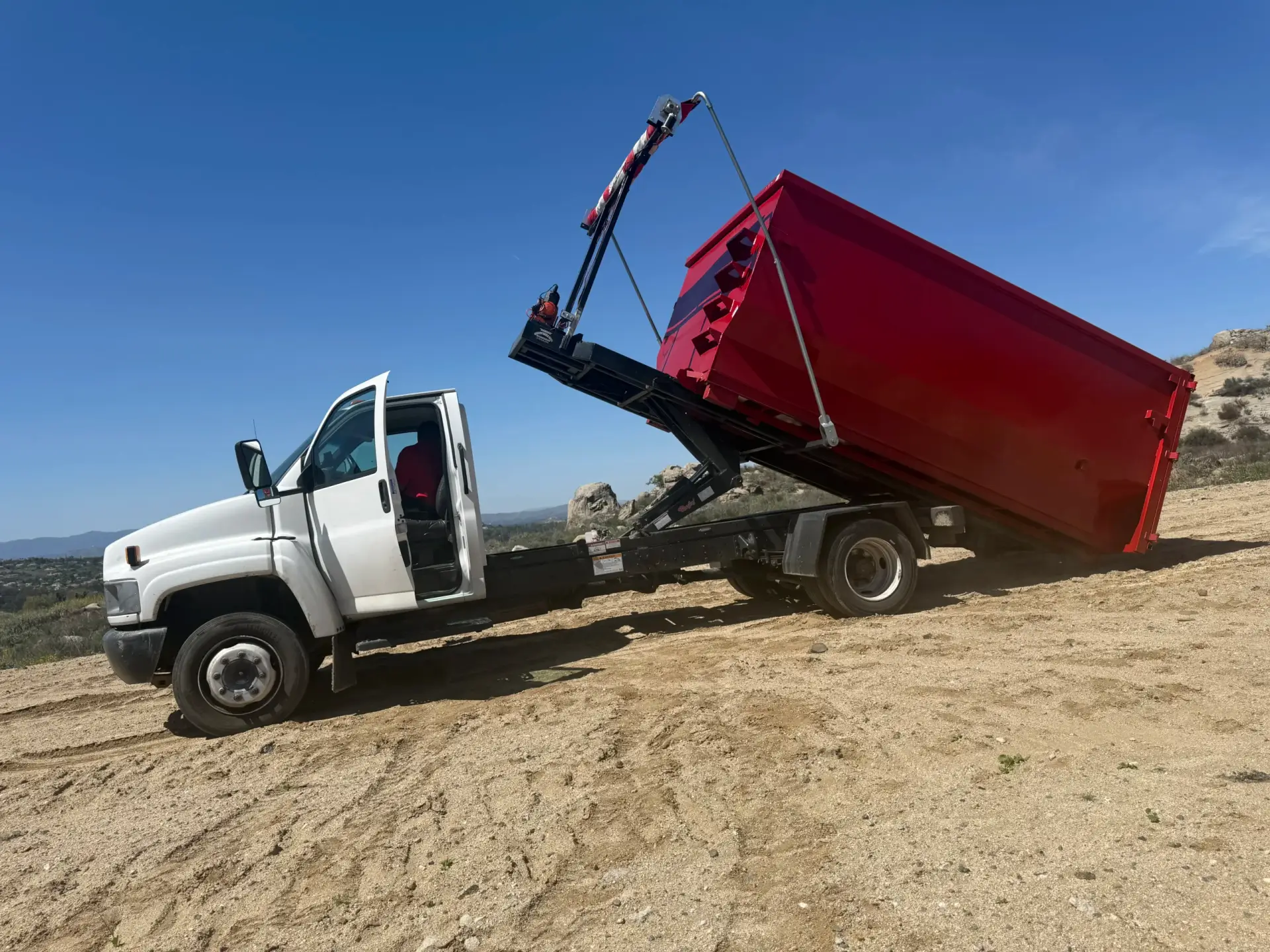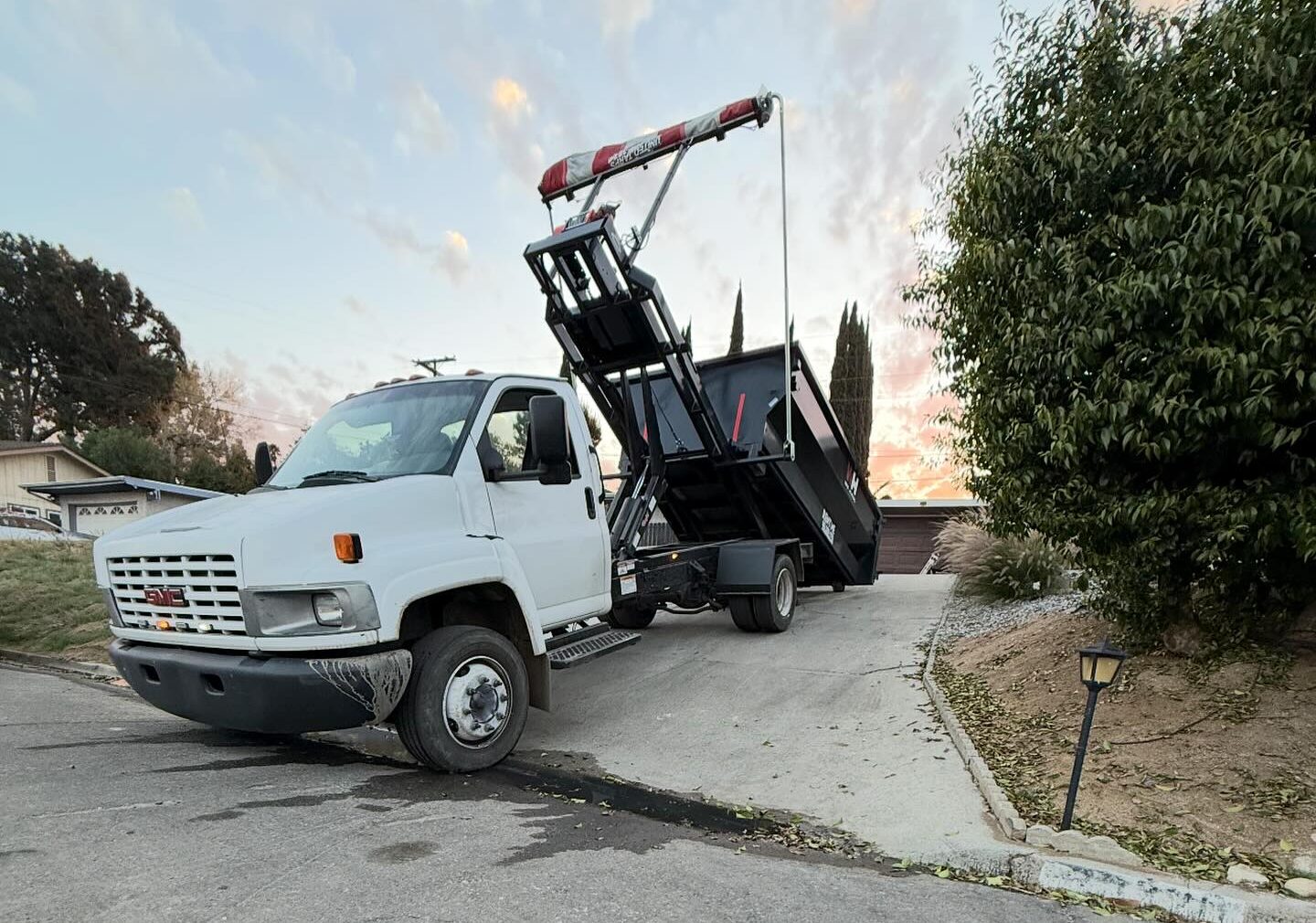
Whether you’re clearing out a house, managing a construction site, or cleaning up after a large event, a temporary dumpster rental is often the most practical way to handle a large volume of waste. Instead of making countless trips to a landfill or transfer station, a dumpster is delivered directly to your property, giving you a single, centralized place to dispose of debris until the job is finished.
This guide covers what temporary dumpster rentals are used for, how sizing and pricing typically work, and what to expect from the rental process — along with the range of services available to homeowners, contractors, property managers, and event organizers who need reliable waste removal on their own timeline.
What Is a Temporary Dumpster Rental?
A temporary dumpster rental is exactly what it sounds like: a roll-off dumpster delivered to your property for a set period of time, allowing you to fill it at your own pace before it’s picked up and hauled away. Unlike ongoing waste collection service, temporary rentals are designed for short-term projects that generate more debris than a regular trash bin can handle.
Common dumpster sizes typically range from smaller 10-yard containers, suited for minor cleanouts, up to larger 30- or 40-yard containers designed for major construction or demolition projects. Choosing the right size depends on the scope of the project, the type of material being disposed of, and how much space is available on the property for delivery and pickup.
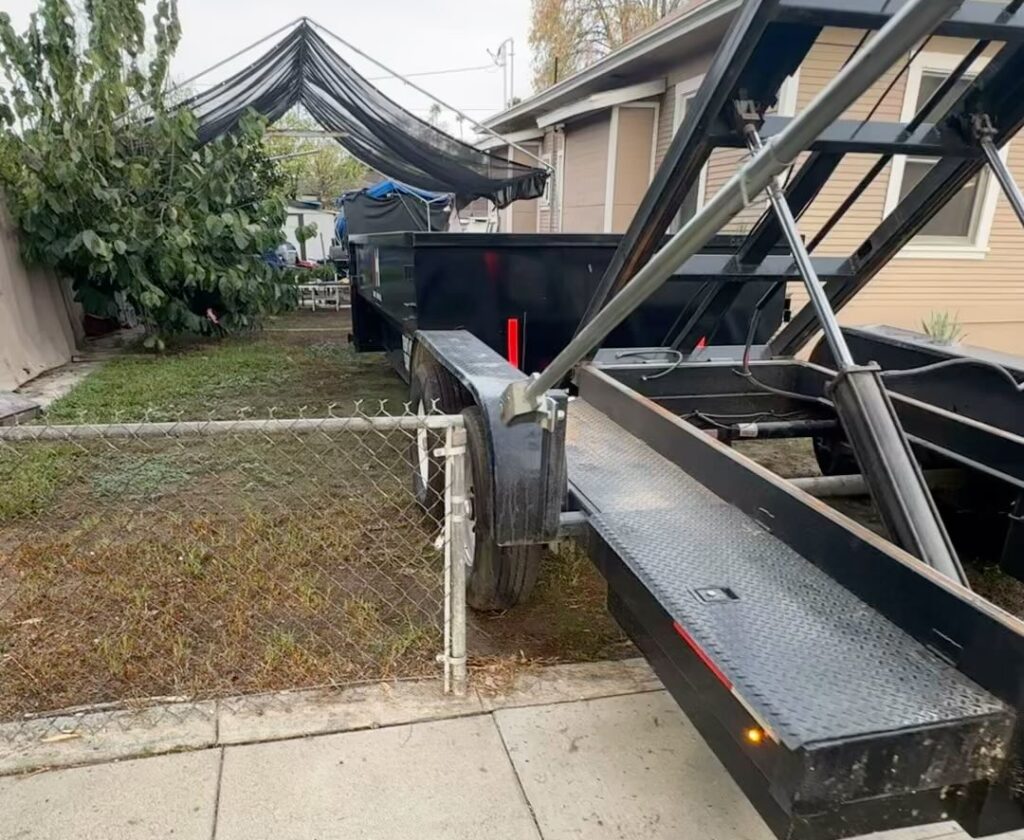
Common Uses for Temporary Dumpster Rentals
Temporary dumpsters are used across a wide range of residential, commercial, and municipal projects, including:
- Estate and foreclosure cleanouts — Clearing out a full property after a sale, foreclosure, or the passing of a loved one often generates far more waste than standard removal services can handle in one visit. A dedicated estate and foreclosure cleanout dumpster makes it possible to clear an entire home in a fraction of the time.
- Property management turnovers — Landlords and property managers frequently need fast, reliable waste removal between tenants or across multiple units. Property management dumpster services are built around the recurring, time-sensitive needs of rental portfolios.
- Demolition projects — Tearing down a structure, whether it’s a shed, garage, or full building, produces heavy debris that requires a container built to handle the weight and volume. Demolition debris disposal services are designed specifically for this kind of heavy-duty cleanup.
- Construction projects — New builds, additions, and remodels generate an ongoing stream of waste throughout the project timeline. Construction dumpster rentals give contractors a dependable place to dispose of materials as the job progresses.
- Event cleanup — Large gatherings, festivals, and outdoor events can generate significant waste in a short window of time. Event cleanup dumpster rentals allow organizers to manage waste efficiently during and after the event.
Each of these situations comes with its own timeline, volume, and material considerations, which is why working with a provider that offers a range of dumpster solutions — rather than a one-size-fits-all approach — tends to produce better results.
How Dumpster Sizing Works
Choosing the right dumpster size is one of the most important decisions in the rental process, since an undersized container can mean overflow fees or a second rental, while an oversized one may cost more than necessary. General guidelines include:
- Smaller containers (10–15 yards) — Well suited for small cleanouts, minor renovations, or single-room decluttering projects.
- Mid-size containers (20 yards) — A common choice for kitchen or bathroom remodels, roofing projects, and moderate cleanouts.
- Larger containers (30–40 yards) — Typically used for major construction, whole-home renovations, demolition debris, or large-scale cleanouts.
Because every project is different, many rental companies offer guidance over the phone to help estimate the right size based on the scope of work.
What Affects Temporary Dumpster Rental Pricing
Dumpster rental costs vary depending on several factors, including:
- Container size — Larger dumpsters generally cost more than smaller ones, both to rent and to haul away.
- Rental duration — Most rentals include a set number of days, with additional charges if the dumpster is kept longer than agreed.
- Type of debris — Heavier materials like concrete, dirt, or roofing shingles may involve different pricing than general household waste.
- Weight limits — Many rentals include a weight allowance, with overage fees applied if the load exceeds that limit.
- Delivery location — Distance from the provider’s yard and site accessibility can also factor into total cost.
Getting an upfront quote that accounts for your project’s size, material type, and expected rental duration is the most reliable way to avoid unexpected charges.
What to Expect From the Rental Process
Renting a temporary dumpster is typically a straightforward process:
- Choose the right size. Based on your project type and expected volume of debris.
- Schedule delivery. Most providers can deliver within a short window, depending on availability and location.
- Fill the dumpster at your own pace. Within the agreed rental period, you can load debris as work progresses.
- Schedule pickup. Once the project is complete or the rental period ends, the dumpster is picked up and the material is hauled away.
- Responsible disposal. Reputable providers separate recyclable materials where possible and dispose of the remainder according to local regulations.
This process gives homeowners, contractors, and event organizers a predictable, low-hassle way to manage large volumes of waste without coordinating multiple trips or rentals.
Frequently Asked Questions About Temporary Dumpster Rentals
Below are some of the most commonly searched questions people have about temporary dumpster rentals.
How long can I keep a temporary dumpster rental?
Rental periods vary by provider, but most include a set number of days within the base price, with the option to extend the rental if the project runs longer than expected.
What size dumpster do I need?
The right size depends on the scope of your project. Smaller cleanouts typically require a 10- to 15-yard container, while larger renovations, demolitions, or construction projects often call for a 30- to 40-yard container.
What can’t go in a temporary dumpster?
Most dumpster rentals accept general household, construction, and yard debris, but hazardous materials such as chemicals, paint, tires, and certain electronics typically require separate disposal methods and aren’t accepted in standard containers.
How much does a temporary dumpster rental cost?
Cost depends on the container size, rental duration, type of debris, and weight limits. A personalized quote is the most accurate way to determine pricing for your specific project.
Do I need a permit for a dumpster on my property?
In many cases, a permit isn’t required if the dumpster is placed on a private driveway, but placement on a street or public right-of-way may require a permit from your local municipality.
How quickly can a dumpster be delivered?
Delivery times vary depending on the provider and location, but many companies are able to offer same-day or next-day delivery depending on availability.
Choosing the Right Dumpster Rental Provider
Not every provider offers the same range of services or reliability. When comparing options, it’s worth looking at whether a company can support the full range of project types — from estate and foreclosure cleanouts to ongoing property management needs, demolition debris, active construction sites, and one-time event cleanup. A provider with experience across all of these categories is better equipped to recommend the right container size, rental duration, and delivery timeline for your specific situation.
Areas We Serve
Temporary dumpster rental services are available across a wide service Inland Empire area, including:
If your city isn’t listed, it’s worth reaching out directly, as many providers serve a broader region than what’s listed on their website.
Final Thoughts
A temporary dumpster rental is one of the most efficient ways to manage large-scale waste, whether the project is a full estate cleanout, a demolition, a construction build, a property turnover, or a large event. By choosing the right container size, understanding pricing factors upfront, and working with a provider experienced across multiple project types, homeowners, contractors, and property managers can keep their projects on schedule without the hassle of coordinating repeated waste removal trips on their own.