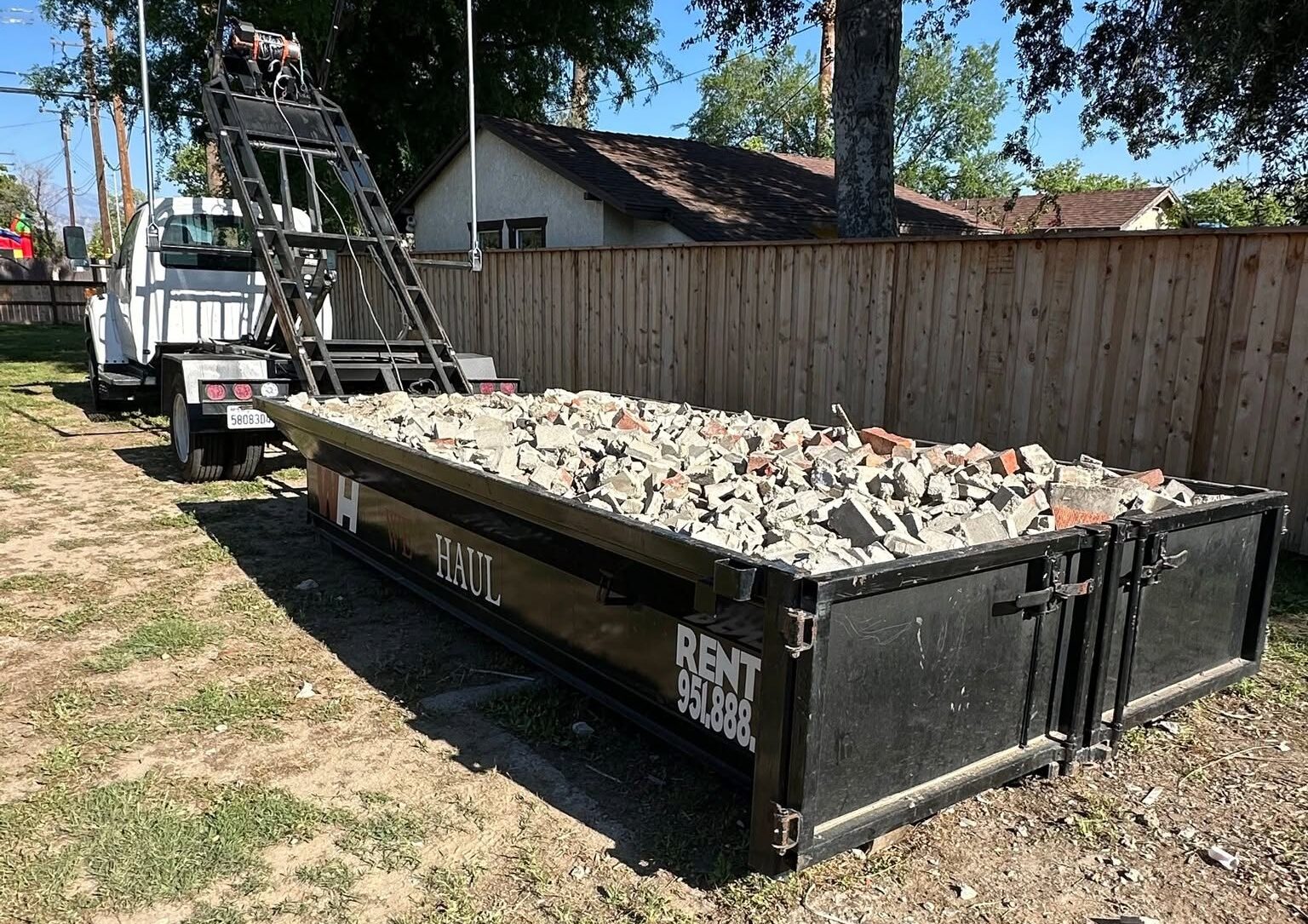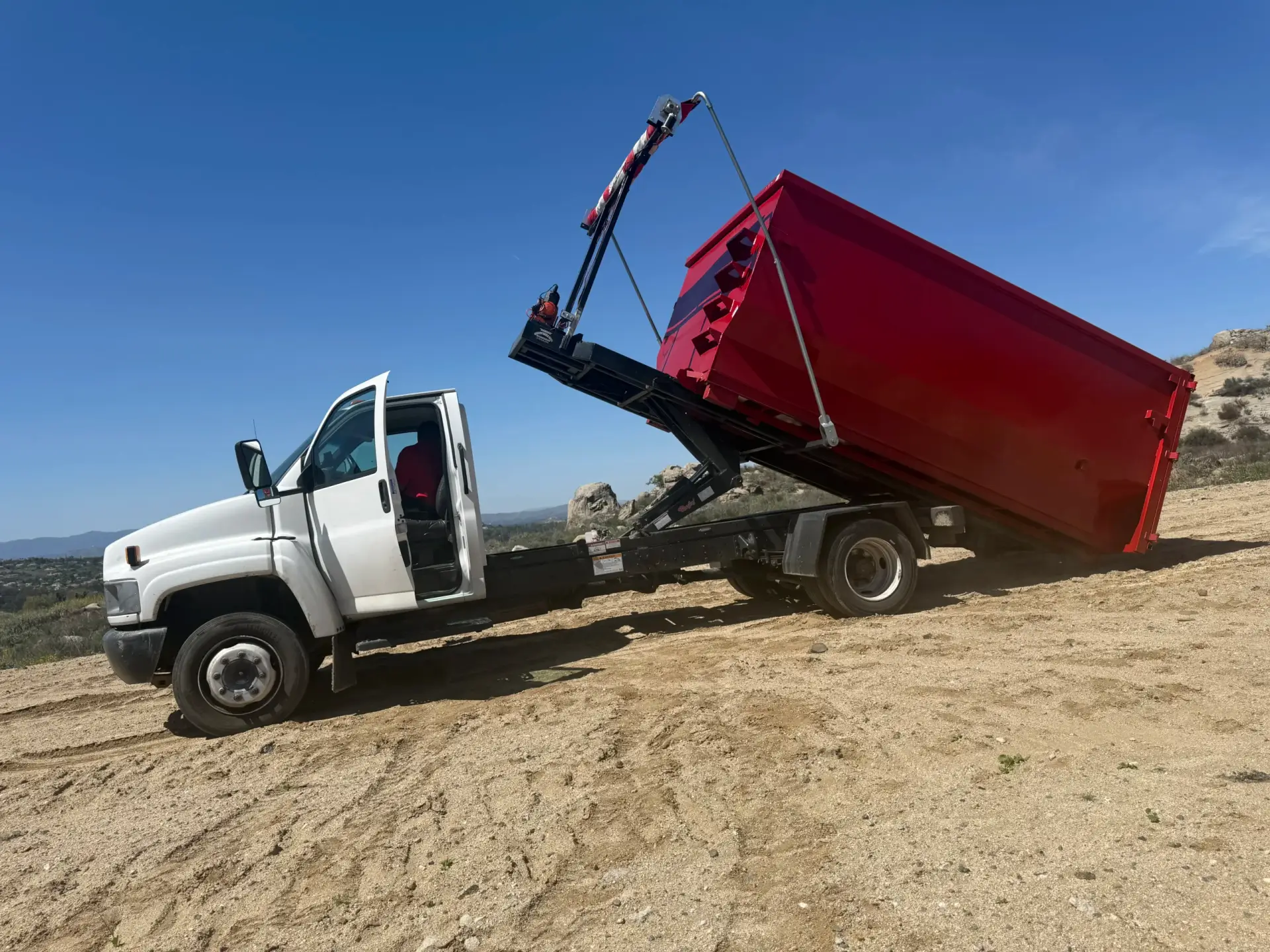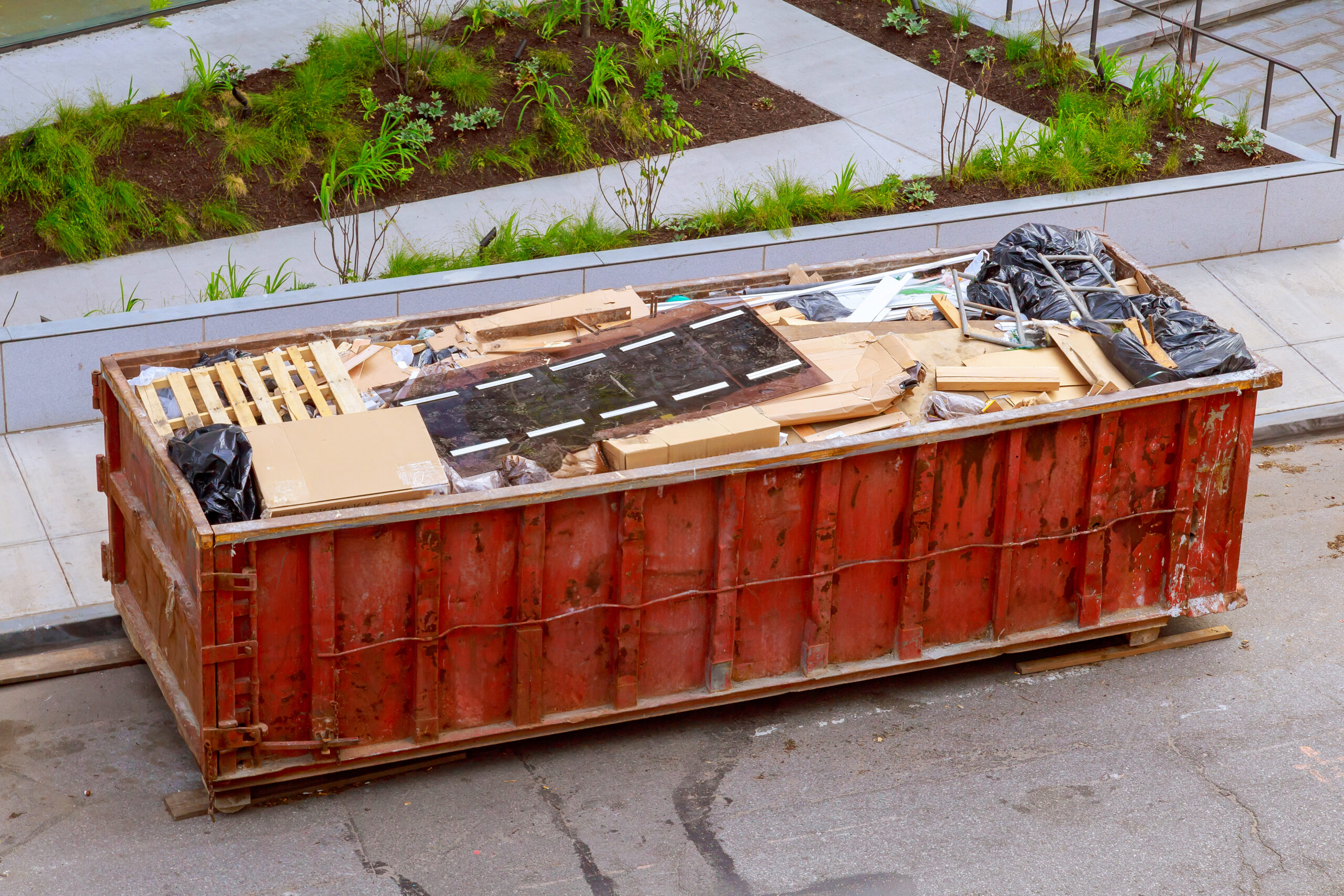
How to choose the right construction dumpster rental (2026 guide) is a critical question for contractors, homeowners, and project managers planning construction or renovation work. Selecting the correct dumpster ensures efficient waste handling, cost control, and compliance with local regulations. Choosing the wrong size or type can lead to delays, safety issues, and unexpected fees.
With evolving waste management practices in 2026, it’s more important than ever to understand your options and make informed decisions when renting a construction dumpster.
Why Choosing the Right Construction Dumpster Rental
Construction projects generate large volumes of debris, including wood, drywall, concrete, metal, and other materials. Without proper waste management, job sites can quickly become disorganized and hazardous.
The right dumpster rental helps:
Maintain a clean and safe worksite
Improve workflow and productivity
Reduce labor and hauling time
Prevent overage and overweight fees
Ensure compliance with disposal regulations
A well-planned dumpster rental keeps your project running smoothly from start to finish.
Step 1: Understand Your Project Scope
Before renting a dumpster, evaluate the size and type of your project. Consider:
The type of construction work (remodeling, demolition, new build)
Estimated volume of debris
Types of materials being disposed of
Duration of the project
Accurate planning helps you select the right dumpster size and avoid unnecessary costs.
Step 2: Choose the Right Dumpster Size
Dumpster sizes vary, and selecting the correct one is essential. Common construction dumpster sizes include:
Small dumpsters for minor renovations and light debris
Medium dumpsters for room remodels and roofing projects
Large dumpsters for full construction or demolition jobs
Choosing a dumpster that matches your project prevents multiple rentals or unused space.
Renovation Waste Removal
Renovation projects often produce mixed debris. Choosing the right dumpster size ensures efficient removal of materials like drywall, flooring, and fixtures.
Roofing Dumpster Rentals
Roofing jobs require dumpsters that can handle heavy materials such as shingles. Selecting a suitable container ensures safe and efficient disposal.
Step 3: Consider the Type of Debris
Different materials have different weight and disposal requirements. Common construction debris includes:
Wood and drywall
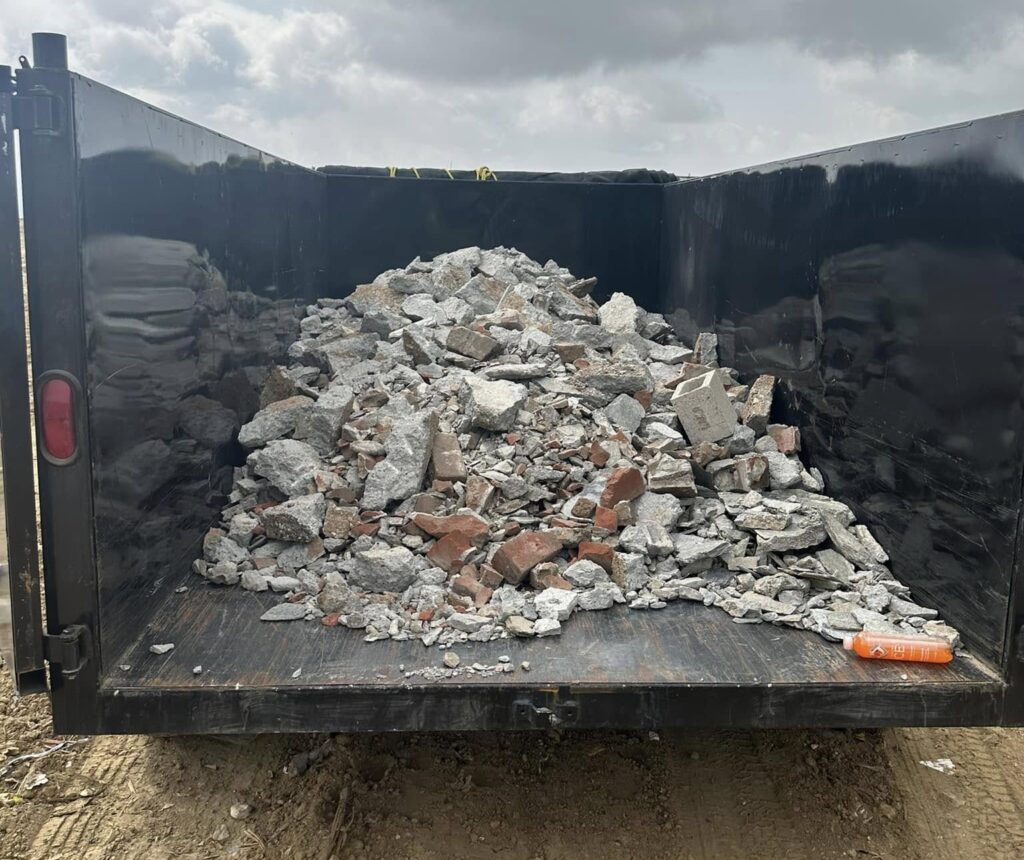
Concrete and bricks
Metal and fixtures
Roofing materials
Heavy materials like concrete may require specialized dumpsters to avoid exceeding weight limits.
Step 4: Understand Dumpster Rental Costs
Pricing varies depending on:
Dumpster size
Rental duration
Weight limits
Type of debris
Location and delivery fees
Understanding these factors helps you budget effectively and avoid hidden charges.
Commercial Dumpster Rentals
For large-scale or ongoing projects, commercial dumpster rentals provide flexible and cost-effective waste management solutions.
Step 5: Check Local Regulations and Permits
Depending on your location, you may need a permit to place a dumpster on public property. Always check local regulations to avoid fines or delays.
Ensure that:
The dumpster placement complies with city rules
Prohibited materials are not included
Weight limits are followed
A professional provider can help guide you through these requirements.
Step 6: Plan Placement and Accessibility
Proper dumpster placement improves efficiency and safety. Choose a location that:
Is easily accessible for delivery and pickup
Does not block pathways or traffic
Provides enough space for loading debris
Good placement reduces labor time and ensures smooth operations.
Property Management Dumpster Services
For ongoing construction or renovation across multiple properties, structured dumpster services help maintain consistent waste management.
Estate and Foreclosure Cleanouts
Projects involving property cleanouts alongside construction work benefit from having the right dumpster to manage mixed waste efficiently.
Top 5 Tips for Choosing the Right Construction Dumpster
Estimate your debris volume accurately
Choose a slightly larger size if unsure
Avoid mixing heavy and light materials unnecessarily
Confirm weight limits before loading
Work with a reliable dumpster rental provider
These tips help prevent common mistakes and ensure a smooth rental experience.
Common Mistakes to Avoid
Choosing a dumpster that is too small
Overloading the container beyond weight limits
Ignoring local regulations
Mixing prohibited materials
Delaying pickup scheduling
Avoiding these mistakes can save time and reduce costs.
Top 5 FAQs About Construction Dumpster Rentals
1. What size dumpster is best for construction projects?
It depends on the project size. Medium to large dumpsters are commonly used for construction and demolition.
2. Can I dispose of all construction materials in one dumpster?
Most materials are allowed, but hazardous items are typically prohibited. Some materials may require separation.
3. How long can I keep a construction dumpster?
Rental periods usually range from several days to a few weeks, depending on the provider.
4. Do I need a permit for a construction dumpster?
Permits may be required if the dumpster is placed on public property.
5. How can I reduce dumpster rental costs?
Choose the right size, avoid overloading, and plan your rental duration carefully.
Why Choose WeHaul Rentals
WeHaul Rentals provides reliable construction dumpster rental services tailored to your project needs. Customers benefit from:
Flexible dumpster size options
Transparent pricing
Reliable delivery and pickup
Expert guidance on waste management
Compliance with local regulations
With the right partner, choosing a construction dumpster becomes simple and efficient.
Book Now
Ready to find the right solution? Use this how to choose the right construction dumpster rental (2026 guide) to make an informed decision and book your dumpster today. Get reliable service, efficient waste removal, and the right container for your construction project.